January 23, 2026
Extreme weather events are becoming increasingly common, with substantial impacts on residential properties. Siding, a critical component of your home's exterior, is particularly susceptible to damage from high winds, hail, and other storm-related threats. Timely repairs are crucial not only to restore the aesthetics of your home but also to protect its structural integrity. Working with professional siding companies can ensure the job is done efficiently and correctly. These experts possess the skills, tools, and experience necessary to handle storm damage repairs effectively. Choosing the right siding company also gives homeowners valuable guidance throughout the repair process.
Understanding Storm Damage to Siding
Common Types of Siding Damage
Storms can cause a variety of damage to your home’s siding. Cracks can occur when debris is propelled against the siding by strong winds. Dents are particularly common with metal siding struck by hailstones. Loose panels are another frequent issue, often resulting from high winds pulling at the edges of the siding. Recognizing these common types of damage can help homeowners take swift action to prevent further deterioration.
How to Assess Damage After a Storm
Assessing the damage to your siding should be done with caution, especially if the storm compromised structural integrity. Start by visually inspecting the entire perimeter of your home for obvious signs of damage, such as missing or displaced siding. Use binoculars to assess higher sections of siding that are challenging to reach. It may also be beneficial to take photos for documentation purposes and for insurance claims. When in doubt, hiring a professional from a trusted siding company for a detailed assessment can ensure all damage is correctly identified.
The Importance of Timely Repairs
Delaying repairs can lead to further complications, as damaged siding may allow moisture to penetrate and affect the underlying structure. Moisture infiltration can result in mold growth, wood rot, and increased energy inefficiencies. Addressing siding repairs promptly helps maintain the thermal efficiency of your home, preventing unwanted heat loss or gain. Proactively managing storm damage also enhances your property's curb appeal and safety. Furthermore, keeping your home in good repair can improve its market value and desirability.
Insurance Implications
Many homeowners' insurance policies cover storm damage, including damage to siding. However, coverage can vary, so it's essential to understand the specifics of your policy. For instance, some policies may cover the full replacement of siding, while others may only pay for repairs. According to Datamintelligence.com, in recent years, extreme weather has caused property damage for about 41% of American homeowners. Knowing how to navigate insurance claims effectively can significantly offset the cost of repairs.
Evaluating Different Siding Materials
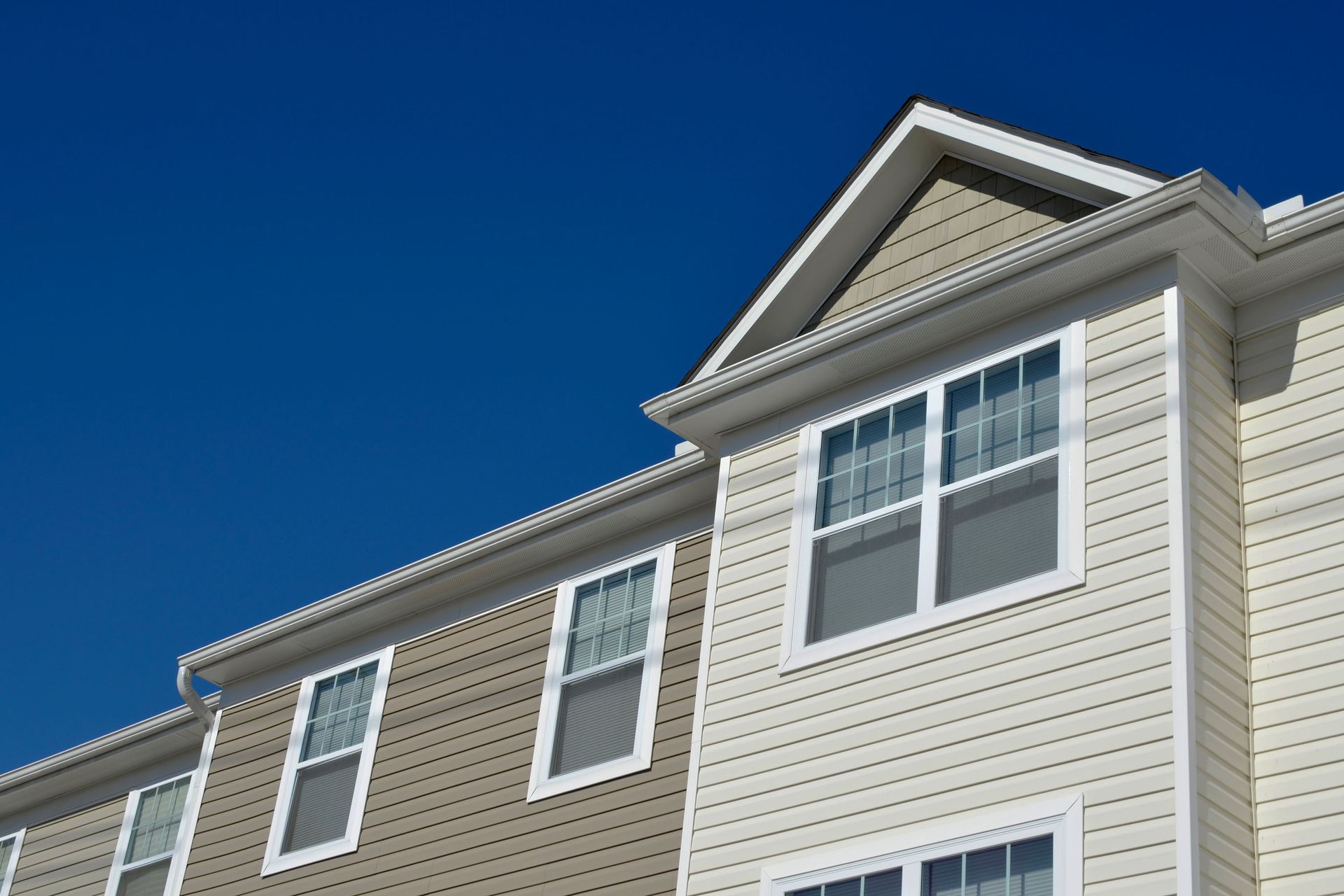
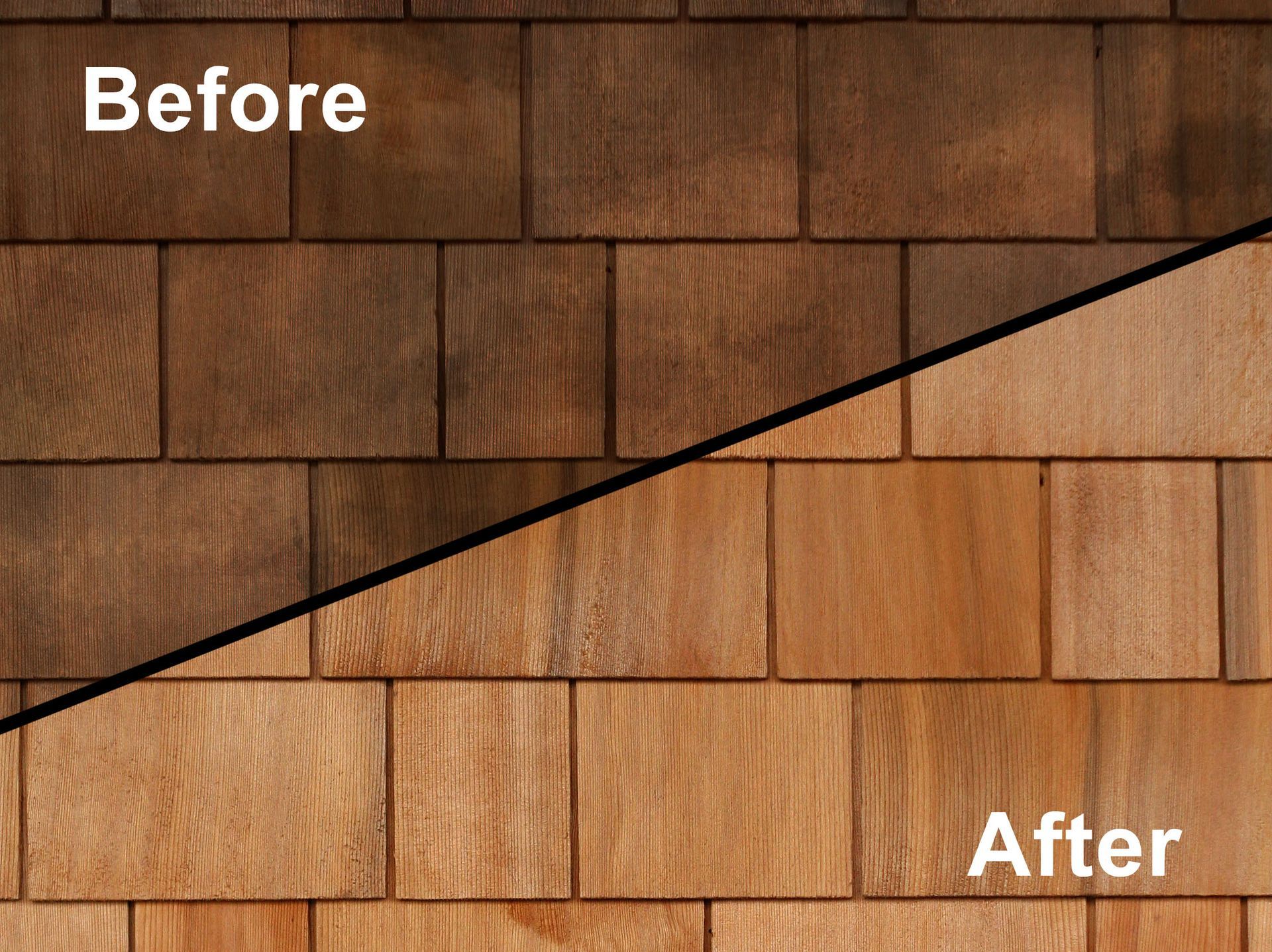
Each type of siding material reacts differently to storm damage. Vinyl siding, for instance, is affordable and climate-resistant but can crack under severe impact. Wood siding offers a classic look but requires more maintenance and is prone to water damage. Fiber cement siding provides excellent durability and weather resistance, but can be more expensive. Understanding the strengths and weaknesses of each material can inform your decision when considering repairs or replacements. A knowledgeable siding company can help guide homeowners in selecting the best material for long-term performance.
Choosing the Right Siding Company
Researching Potential Companies
The internet is a valuable resource for identifying reputable siding contractors in your area. Start by searching for companies with strong online presences and positive customer reviews. Look for businesses that specialize in storm damage repairs to ensure expertise in handling complex repairs. It's also helpful to ask for recommendations from neighbors or check local forums. A thorough research process guarantees that you're working with a trusted and capable contractor.
Checking Credentials and Reviews
Before hiring a contractor, verify their credentials to assure quality service. Ensure they are licensed and insured, protecting both parties in case of mishaps. Customer reviews and testimonials provide insight into past experiences and satisfaction levels. Look for consistent positive feedback, especially concerning reliability, timeliness, and quality of workmanship. Checking a company's Better Business Bureau rating can further validate its credibility.
Comparing Quotes and Services
Obtaining multiple estimates from different companies allows you to evaluate pricing and services. Be wary of unusually low quotes, which may indicate subpar materials or rushed work. Review each quote for a breakdown of costs and make sure it covers materials, labor, and any additional charges. Consider the warranty offered by each company as part of your decision-making process. Balancing cost with the quality of service ensures a satisfactory and lasting repair.
Questions to Ask Potential Contractors
During initial consultations, ask about the contractor's experience with siding repair and replacement. Inquire about the process they typically follow and the materials they recommend for storm-prone areas. Verify the expected timeline for completion and how unforeseen delays are handled. It's also essential to discuss post-repair inspection and satisfaction guarantees. Understanding these aspects helps set expectations and build confidence in your chosen contractor.
Red Flags to Watch Out For
Be vigilant for warning signs of disreputable or fraudulent companies. Contractors who pressure you into quick decisions or demand large upfront payments should be avoided. Lack of verifiable references or hesitation to provide written estimates can indicate poor business practices. Be wary of companies that propose circumventing insurance claims processes. Trustworthy contractors prioritize transparency, respect your decision-making process, and communicate openly.
The Repair Process Explained
Initial Inspection and Quote
The repair process begins with a thorough initial inspection to determine the full extent of storm damage. Contractors assess visible damage and underlying structural impacts. This inspection informs the detailed quote outlining necessary repairs and associated costs. Accurate assessment prevents cost overruns and ensures the comprehensive restoration of your home. Detailed documentation from this stage is crucial for insurance claims and future reference.
Material Selection and Approval
Homeowners often have significant input in selecting replacement siding materials. Contractors typically present options based on durability, cost, and aesthetic preferences. It's vital to consider materials that offer enhanced storm resistance to mitigate future damage. The final decision should balance budget constraints with long-term benefits and protection. Approval of materials must precede repair commencement, solidifying the project scope and expectations.
The Repair Timeline
Understanding the repair timeline helps homeowners manage expectations. Simple repairs, like replacing a few panels, may take just a few days, whereas comprehensive replacements can extend for weeks. Factors such as weather conditions, material availability, and project scope influence this timeline. Open communication with the contractor about schedule changes is essential to minimize disruptions. Ultimately, patience ensures that repairs are thorough and meet quality standards.
How Professionals Handle Repairs
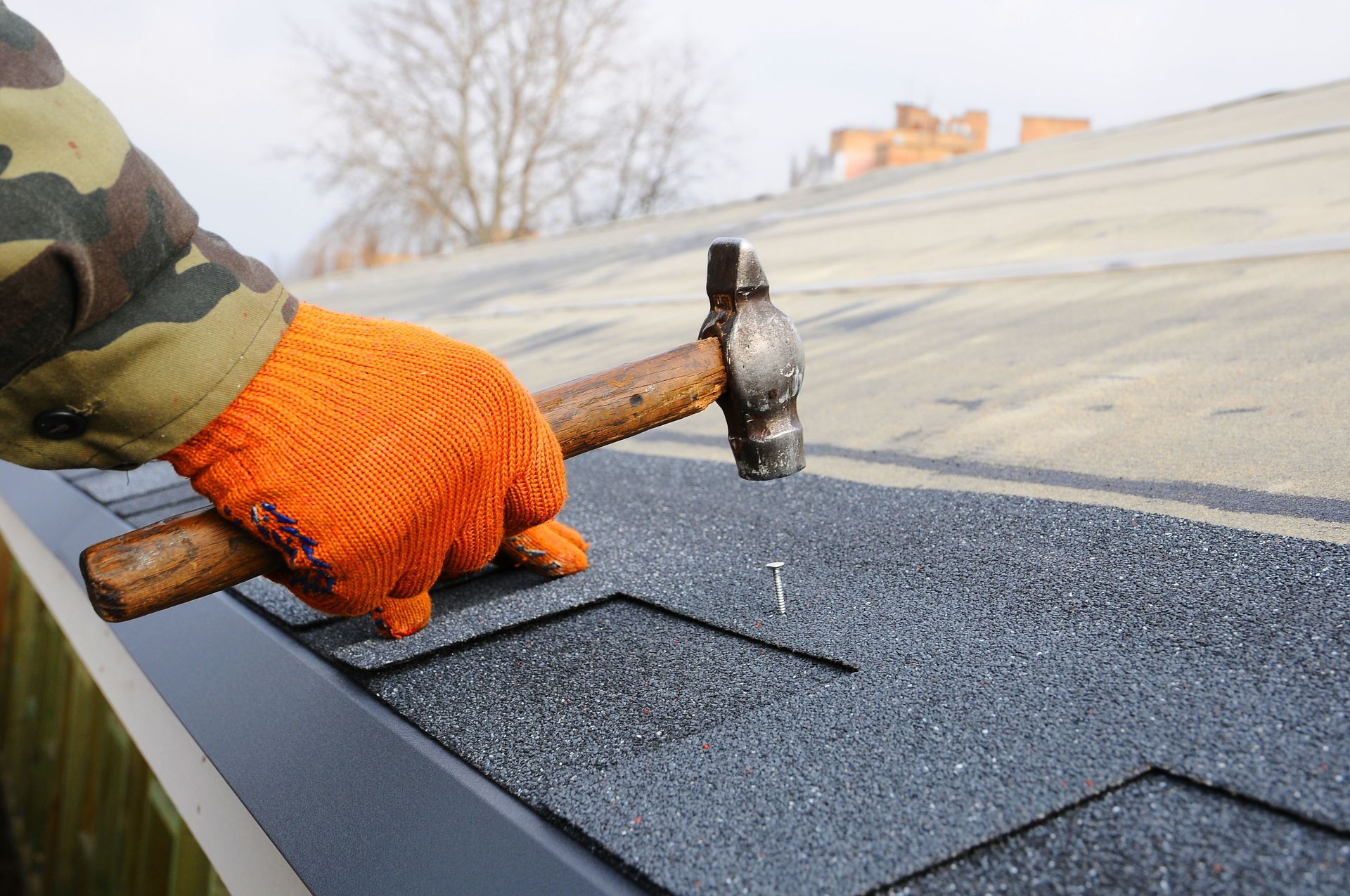
Home siding professionals employ specialized techniques and tools to address storm damage adeptly. They ensure proper alignment and secure fitting of siding panels, preventing future issues. Advanced tools allow for precision cutting and installation, essential for durable repairs. Professionals prioritize preserving the home's exterior aesthetics while enhancing structural protection. This attention to detail distinguishes professional repairs from DIY attempts, delivering superior outcomes provided by a skilled siding company.
Post-Repair Inspection and Approval
A comprehensive post-repair inspection ensures that the work meets established expectations and quality standards. Contractors review all completed work, checking for correct installation and material use. Homeowners should be involved in this inspection to cross-verify against the initial damages observed. Any discrepancies or concerns should be addressed immediately to avoid future problems. Final approval signifies the satisfactory conclusion of the repair process.
Repairing storm-damaged siding necessitates understanding the complexities of the task and navigating the intricacies of contractor selection and insurance claims. Prioritizing timely, professional repairs mitigates future risks and enhances the lifespan of your home's exterior. Proactive homeowners who leverage resources, budget judiciously, and engage knowledgeable contractors safeguard their investments. This comprehensive approach ensures that storm damage repairs enhance not only your home's resilience but also its market and aesthetic value. Ultimately, diligent maintenance and quality partnerships promise enduring protection and peace of mind. If you're looking for a reliable siding company, make sure to contact Blue Storm Construction LLC today!