November 14, 2025
In this article, we will explore how to determine if your home needs a new roof. Understanding the signs of roof damage, the longevity of different roofing materials, and the potential costs associated with replacement are essential for homeowners to make informed decisions. We'll guide you through the process of having a roofing contractor assess your roof's condition and decide whether it's time for a replacement.
Leaking and Water Stains
Roofing contractors know that leaking roofs are a common indicator that your home may need a new roof or significant repairs. Water stains on your ceiling or walls are often the first visible signs of trouble. These stains can vary in size and color, often ranging from yellow to dark brown, and may grow if the issue is not addressed promptly. Ignoring leaks can lead to more severe problems, including structural damage and mold growth, which poses health risks. Therefore, it's crucial to investigate any signs of leakage as soon as they are discovered.
The causes of roof leaks can be varied, from damaged shingles to deteriorated flashing around chimneys or skylights. It's essential to identify the source of the leak accurately to determine the necessary repair or replacement. In some cases, a localized repair might be sufficient, particularly if the roof is relatively new. However, widespread leaks could indicate that the roof has reached the end of its lifespan. Regular inspections and maintenance can help detect these issues early and prevent costly damage.
Homeowners should also be aware of the potential for hidden leaks that aren't immediately noticeable. These can occur in attics or other seldom-used spaces, leading to significant damage before they're detected. A professional roof inspection can help uncover these issues, providing a detailed assessment of the roof's condition. By addressing leaks promptly with a roofing contractor, you not only preserve the integrity of your home but also potentially avoid the need for a full roof replacement.
Missing or Damaged Shingles
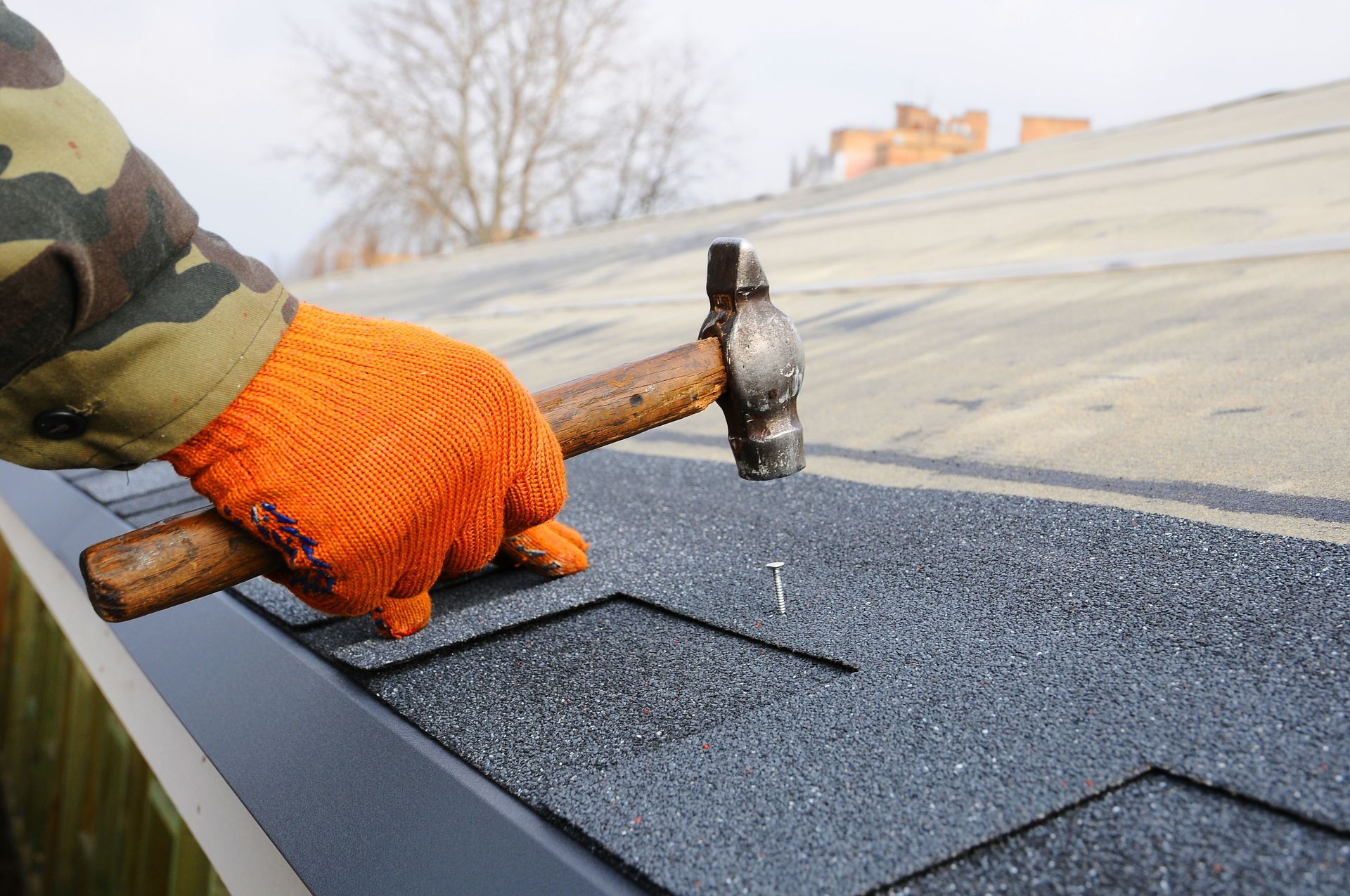
Missing or damaged shingles are another clear sign that your roof might need attention. Shingles are designed to protect your home from the elements, and when they are compromised, so is your roof. Weather conditions such as storms, heavy winds, and hail can cause shingles to become loose or break, leading to exposure and increased vulnerability. Any missing shingles should be replaced as soon as possible to prevent further damage. Regular inspection and maintenance can help homeowners catch these issues early, potentially saving thousands in future repair costs.
While one or two missing shingles may not seem critical, they can quickly lead to leaks and water damage. Over time, the cumulative effect of missing shingles can compromise the structural integrity of the entire roof. Different types of shingles have various lifespans, and knowing what type of material is on your roof can provide insight into when replacement might be necessary. Routine checks, especially after severe weather, can help homeowners maintain their roofs and extend their lifespan.
Additionally, curled, cracked, or blistered shingles are signs that the roof may need more than just patchwork repairs with a roofing contractor. These issues often indicate aging materials or poor installation practices, both of which could warrant a full roof replacement. Undertaking preventative measures, such as removing overhanging tree limbs that might fall on the roof, can also contribute to the longevity of your roofing materials. Homeowners need to be vigilant, as early detection and repair can prevent small issues from developing into larger, more costly problems.
Sagging Roof Deck
A sagging roof deck is a major warning sign that your roof requires immediate attention. This can be caused by a variety of factors, including excess weight from snow or ice, water damage, or structural issues. A visible sag in your roofline can indicate that the weight distribution is uneven, potentially compromising the structural integrity of the entire roof and posing safety risks to those inside the home.
In many cases, a sagging roof is a result of prolonged exposure to moisture, leading to the deterioration of wooden structures within the roof. Water trapped under shingles or the roof deck can gradually weaken the roof's structure, increasing the risk of collapse under additional weight. When caught early, reinforcing or replacing sections of the roof might be viable solutions.
The costs associated with fixing a sagging roof can be significant, often requiring a professional roofing contractor. It's advisable to seek out an experienced roofing contractor for inspections and repairs, as they can properly assess the full extent of the damage. Preventative maintenance, such as cleaning gutters regularly to prevent water buildup, can mitigate some of the risks associated with sagging.
Granules in the Gutter
Finding granules in your gutter is an indication that your roof might be deteriorating. Asphalt shingles, commonly used in many homes, are covered in granules that help protect against UV rays and add a layer of fire resistance. Over time, it's normal for some granules to loosen; however, an excessive amount in your gutters often signals that your shingles are nearing the end of their life.
Granule loss is not only a cosmetic issue but also affects the functionality of the shingles. With fewer granules, shingles become less effective at deflecting sun and heat, accelerating the rate of deterioration. Seasonal weather changes can exacerbate this problem, with extreme temperatures causing shingles to expand and contract. It's important for homeowners to routinely check their gutters and downspouts for granules, especially after heavy rainfall or storms, which can dislodge granules more readily.
If significant granule loss is detected, it may be wise to consult a roofing professional to assess the extent of damage. They can offer guidance on whether repairs can extend the roof's life or if a new roof installation is necessary. Understanding the rate of granule loss and taking timely action can prevent minor issues from escalating into major, more costly problems.
Increase in Energy Bills
An unexpected increase in energy bills could be a subtle hint that your roof is not performing as it should. A decrease in the roof's efficiency often means it's not providing adequate insulation or ventilation, causing your HVAC system to work harder to maintain comfortable indoor temperatures. This can be due to several factors, such as inadequate insulation, deteriorating shingles, or compromised roof ventilation.
Inefficient roofs can result from various factors, including aged roofing materials or poor installation. A professional inspection can reveal if your current roofing system is allowing indoor air to escape or outdoor elements to enter, thereby reducing energy efficiency. The cost of increased energy bills over time could easily surpass the expense of roof repairs or replacement, making timely maintenance economically advantageous.
Addressing roofing inefficiencies is an opportunity to explore energy-saving measures, such as improved insulation or updated roofing technologies. According to RubyHome, approximately 5 million new roofs are installed each year in the U.S., reflecting a market that continually evolves with technological advancements. By investing in energy-efficient roofing solutions, homeowners can reduce their ecological footprint and benefit from long-term savings on energy expenses.
Recognizing when your home needs a new roof is vital for maintaining safety, efficiency, and long-term value. From leaks and missing shingles to sagging structures and higher energy bills, early detection prevents costly damage. Partnering with an experienced roofing contractor ensures accurate assessments, quality workmanship, and durable solutions that protect your home for years to come. Call Blue Storm Construction LLC today to get started with our roofing services.